
Material Testing

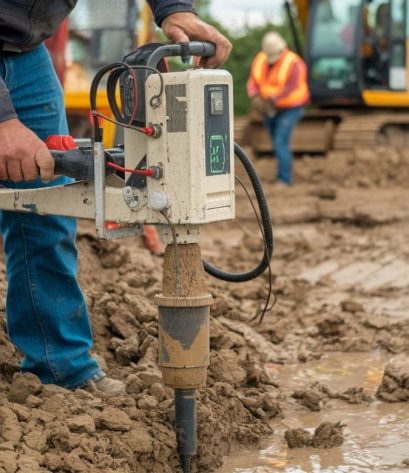
Soil Compaction Testing_ Why It Matters in Construction
Comprehensive Guide to Testing Construction Materials – Draftter
STRC has experience in testing wide range of construction materials,including Cement,Concrete, Aggregates, Admixture, Flyash, Masonary, Tiles, Wood, Steel, Aluminium, Bircks, Query stones,WMM, GSB and many m

RPC Construction Material Testing

Construction Material Testing is a critical part of the construction process to ensure that the materials used meet the required standards for quality, strength, and durability.


This testing process helps in assessing the suitability of materials for specific construction projects, preventing future structural failures and ensuring the safety of buildings and infrastructure.


The tests are conducted in laboratories and on-site, depending on the material and the specific properties being evaluated.
Here are some common types of construction material testing:

Concrete Testing

Concrete-testing
  • Compressive Strength Test: Determines the ability of concrete to withstand axial loads. A standard test involves using concrete cubes or cylinders to check how much load the material can endure before failure.
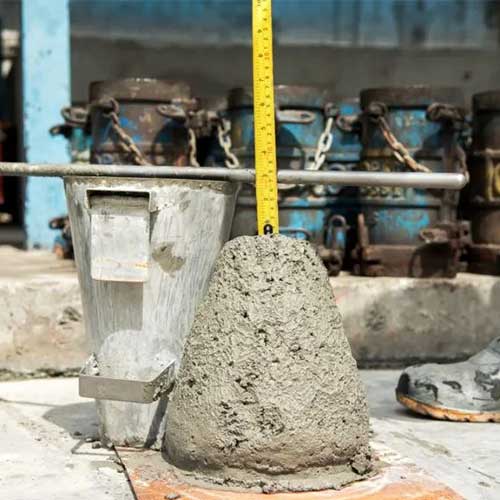
  • Slump Test: Measures the workability or consistency of freshly mixed concrete. The slump is the vertical distance the concrete settles after being placed in a mold.
  • Flexural Strength Test: Determines the bending strength of concrete, commonly tested using a beam that is subjected to a bending load.
  • Split Tensile Test: Measures the tensile strength of concrete, done by applying a compressive load along the length of a concrete cylinder.
  • Water Absorption Test: Measures the porosity of concrete, which influences its durability against weathering and other environmental factors.

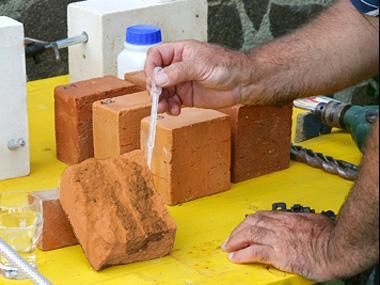
Brick and Masonry Testing

MixCollage-07-Dec-2024-07-08-PM-3571
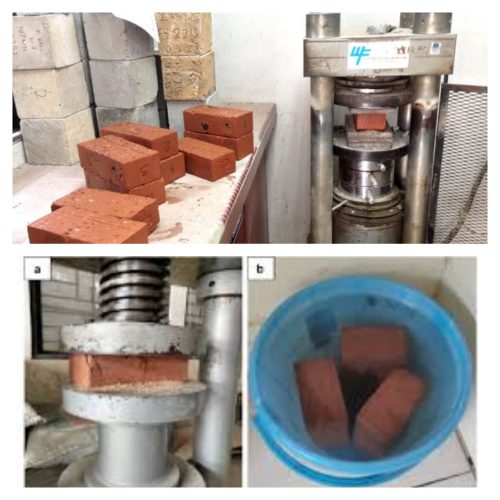
  • Compressive Strength Test: Measures the maximum load a brick can bear before failure.
  • Water Absorption Test: Determines how much water a brick can absorb, which affects its durability in wet conditions.
  • Efflorescence Test: Checks for the presence of salts that can affect the brick’s appearance and integrity.
  • Dimensional Accuracy Test: Ensures the size and shape of the bricks conform to specified standards.

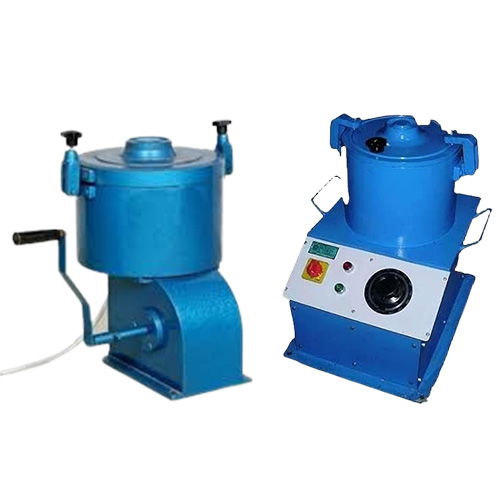
Bitumen Testing

Bitumen-500
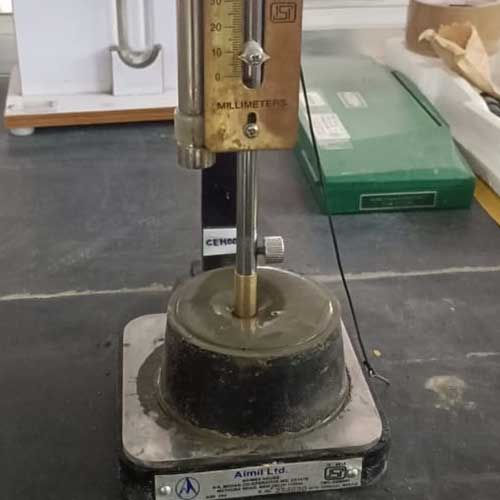
  • Penetration Test: Measures the hardness or softness of bitumen by determining how deep a standard needle can penetrate.
  • Softening Point Test: Determines the temperature at which bitumen becomes soft enough to flow under standard conditions.
  • Ductility Test: Measures the elongation of bitumen under specific conditions to determine its flexibility.
  • Viscosity Test: Assesses the resistance of bitumen to flow, which is crucial for ensuring proper mixing and application temperatures.

Cement Testing

Cement-testing
  • Fineness Test: Determines the particle size distribution of cement, which affects its strength development.
  • Consistency Test: Measures the water requirement for a given amount of cement to reach a specific consistency.
  • Setting Time Test: Determines the time it takes for cement to set and harden, including initial and final setting times.
  • Compressive Strength Test: Tests the strength of cement when mixed with water and molded into cubes.

Importance of Material Testing

  • Ensures Safety: Proper testing ensures materials perform as expected under load, weather, and time, preventing structural failures.
  • Compliance with Standards: Construction materials must meet local and international building codes and standards.
  • Improves Durability: Well-tested materials last longer, reducing the need for repairs and maintenance.
  • Cost Efficiency: Testing helps in optimizing material use, reducing waste, and avoiding costly mistakes in the construction phase.

Construction material testing is fundamental to the quality, durability, and safety of buildings and infrastructure. The type and scope of testing vary depending on the materials and the project’s requirements.